
“One can, by Means of Poetry, train in all sorts of useful Arcana, and perhaps the most useful Thing is that one can also learn of others’ Ways of Thinking, which is very valuable indeed, for without this one might conclude that everyone thinks alike, and after all, this is not true.”
– Olga Tokarczuk, The Books of Jakob: The Book of Sand: 6.
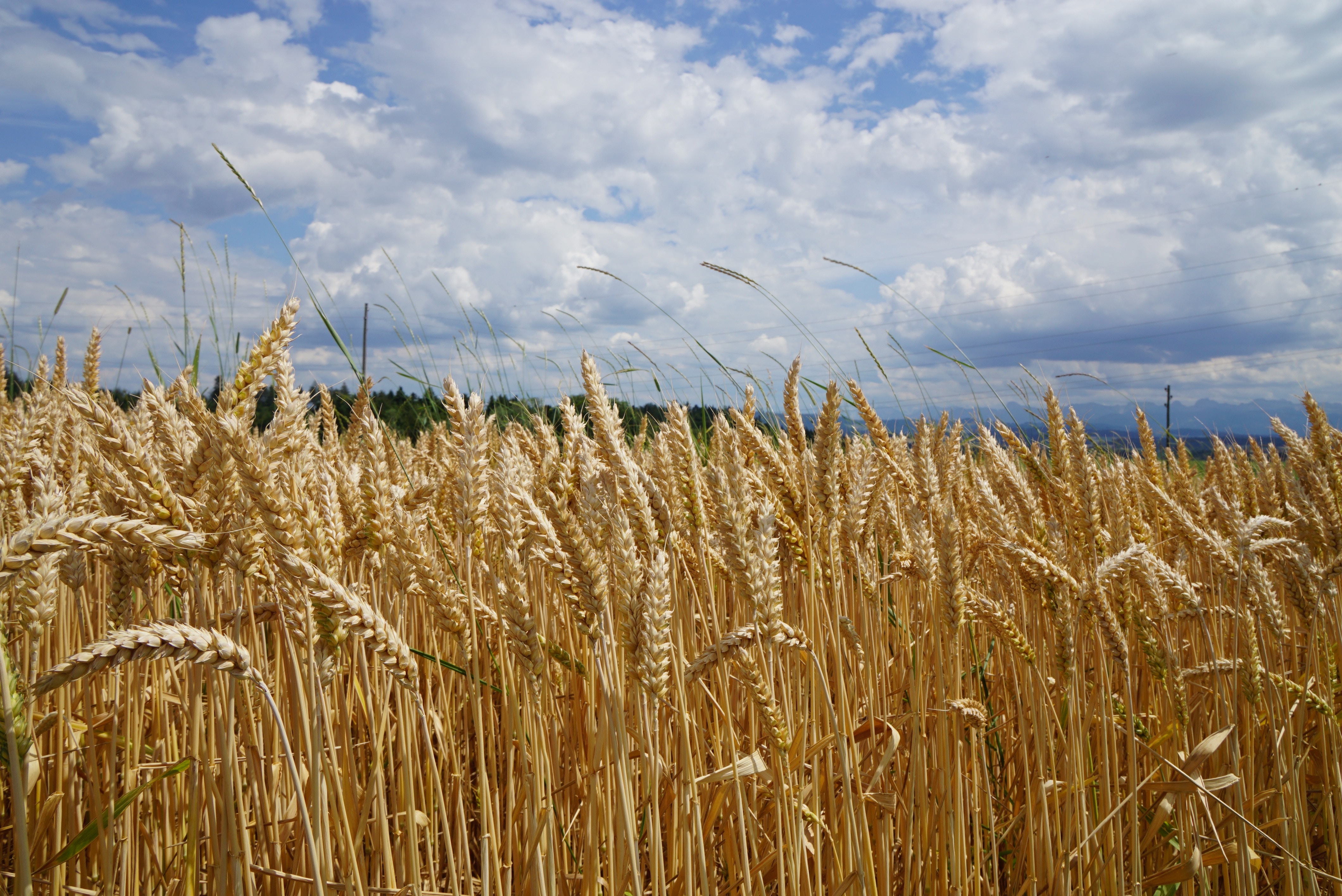
I study the quatrain written in front of me closely, savouring the emotions it instils, the images it evokes, how it moves me. Not just out of a desire to connect with the author, who died a century ago, but because her words animate the huge harvest machinery in front of me.
The change in the seasons, the wilding of the weather, means the growing seasons are shorter and the crops less hardy. Each stalk much more precious, much less disposable. So the machines that harvest them need to be gentler, slower, and more responsive to their surrounds. The poetry must be re-tailored.
At my portable desk, I find the repetition within the prose that controls the speed of the harvester’s thresher and hunt in my thesaurus for a term with a gentler meaning. There is a science to this art, and the science is an interpretative and subjective one.
I balance its meaning against the homily the quatrain relates about the virtues of physical labour. Trite as it may be, it is effective. The thresher should turn more slowly now. I jot a few words more to add to the exegesis journal my co-operative guild keeps on the poetry we create and modify.
We poets of power don’t understand whether the magic works by persuading the machinery itself, or the bystander needed to operate it. But either way, we need to understand what the author – and their many collaborators – intended in their living poetry, in order to change it later. The comments others have left as they write and modify said words are as often insightful as insulting. Hopeful as they are humorous. Pretty as they are petty.
With a steady and practiced hand, I engrave the replacement quatrain onto a blank plate – freshly forged by my hardworking and hard-muscled smith offsider, and quenched with water containing a drop each of my blood, sweat, and tears. And after stamping the back with a seal containing wax mixed also with said humours, I hand the finished plate to the farmer waiting nearby.
I won’t know yet if the replacement quatrain will work entirely as intended, but, as a poet of some years now, I have a good feeling about it. It has the right flow, the right meter, the right heart.
The farmer bobs his head in gratitude and dashes off to affix the replacement plate to his machinery. I won’t have feedback on the change for a while yet, the test cycle being a few hours. While I wait, I consider future changes I might need to make, and consider – yet again – the choices that have brought me here.
A strange young girl with a passion for reading. A keen mind and a desire to know everything. An identified gift, a long course of study, and then – a trade.
A spirit that loves words, found wherever they’re bound into books in sufficient numbers. Strangely quiet beyond the written contract it offers to those it deems worthy enough to wield the power it offers. Life force for magical force, a shortened life traded for a more potent one. A bargain struck, a sacrifice made, a profession gained.
Like many, I long to explore the bleeding edge, so to speak, of practical poetry, of my powers – new media, new artforms. But this is safe, honest work, the bread and butter work that puts the same on my table as well as thousands of others.
I know of those who’ve lost their minds – or their lives – trying to devise new forms and functions, and yet others who’ve accidentally burnt and mangled the bodies of those using their strongest words in unexpected ways.
No, this is a safe way to trade the power of my words for the esteem – and material support – of my community. Risking my mind and my sanity – some argue, my very soul – in cautious, sustainable, and fair exchange with those who risk their bodies to provide for us all. An exchange that turns my days into good ones for not just me, but my community.
I know of those who’d seek to keep the results of these powers to themselves and hoard their benefits. But they rarely prosper in the long-run, their art having a staleness and rigidity that comes from not exchanging best practice, trust, and an artful line here and there with other poets. They just can’t compete with a collective, freely exchanging ideas and finished works.
As after all, the best art is shared by and for others, built on the works of others.
About the author
GS Lakes is a non-binary trans femme writer and general nerd moving from STEM to STEAM.
She writes from an unapologetically neurodivergent, multiply-disabled, anti-capitalist, anti-hierarchy, and radically-inclusive queer perspective.
Pronouns: she/they
Photo by Beth Macdonald on Unsplash.
 #EnbyLife